

Every business makes decisions daily, but not every business makes strategic decisions. There is a difference between reacting to what is happening and deliberately shaping what happens next. That difference is where strategic thinking comes in.
Strategic thinking is not limited to executives sitting in boardrooms. It is a mindset that influences how organizations interpret data, allocate resources, respond to challenges, and pursue opportunities. When applied consistently, it transforms scattered actions into coordinated progress.
Businesses that rely only on short-term thinking often find themselves stuck in cycles of urgency.
They solve immediate problems but fail to build long-term value. In contrast, organizations that embed strategic thinking into their operations are able to anticipate change, prioritize effectively, and create sustainable growth.
This article explores how strategic thinking improves business outcomes by influencing decision-making, operational efficiency, market positioning, and long-term resilience.
What Is Strategic Thinking in a Business Context?
Strategic thinking is the ability to step back from daily operations and evaluate the bigger picture. It involves understanding how different parts of a business connect, how external forces influence outcomes, and how decisions made today shape future results.
At its core, strategic thinking answers three fundamental questions:
- Where are we now?
- Where do we want to go?
- How do we get there?
Unlike routine planning, strategic thinking requires analysis, foresight, and adaptability. It blends data with judgment and encourages leaders to consider multiple scenarios before committing to a course of action.
A strategically minded organization does not just act. It acts with intent.
The Link Between Strategic Thinking and Business Outcomes
Business outcomes are the measurable results of decisions and actions. These include revenue growth, profitability, customer retention, operational efficiency, and market share.
Strategic thinking improves these outcomes by ensuring that:
- Decisions align with long-term goals
- Resources are used efficiently
- Risks are identified early
- Opportunities are evaluated with clarity
Instead of reacting to problems, businesses begin to design outcomes.
Improving Decision-Making Quality
Moving Beyond Reactive Decisions
One of the most immediate benefits of strategic thinking is improved decision-making. Many businesses operate in reactive mode, responding to market changes, customer complaints, or internal issues as they arise.
While responsiveness is important, constant reaction leads to inconsistency. Strategic thinking introduces structure into decision-making by encouraging leaders to evaluate context, data, and long-term impact.
For example, instead of launching a quick marketing campaign to boost short-term sales, a strategically driven company would assess:
- Target audience alignment
- Long-term brand positioning
- Expected return on investment
This leads to decisions that are not only effective but also sustainable.
Reducing Uncertainty
“Strategic thinking does not eliminate uncertainty, but it reduces its impact. By analyzing trends and preparing for multiple scenarios, businesses can make informed choices even in unpredictable environments,” says Karina Simonovič, Marketing Manager at OptimalWarranty.
This level of clarity improves confidence across teams and ensures that decisions are backed by reasoning rather than guesswork.
Enhancing Resource Allocation
Using Resources With Purpose
Every business operates with limited resources, whether it is time, money, or talent. Strategic thinking ensures that these resources are allocated where they will have the greatest impact.
Without a strategic approach, resources are often spread too thin. Teams work on multiple initiatives without clear priorities, leading to inefficiency and burnout.
Strategic thinking helps businesses:
- Identify high-impact initiatives
- Eliminate low-value activities
- Focus on core strengths
This results in better performance without necessarily increasing costs.
Aligning Teams and Objectives
When strategy is clear, alignment becomes easier. Teams understand how their work contributes to larger goals, which improves collaboration and accountability.
Instead of working in silos, departments begin to operate as parts of a unified system.
Strengthening Competitive Positioning
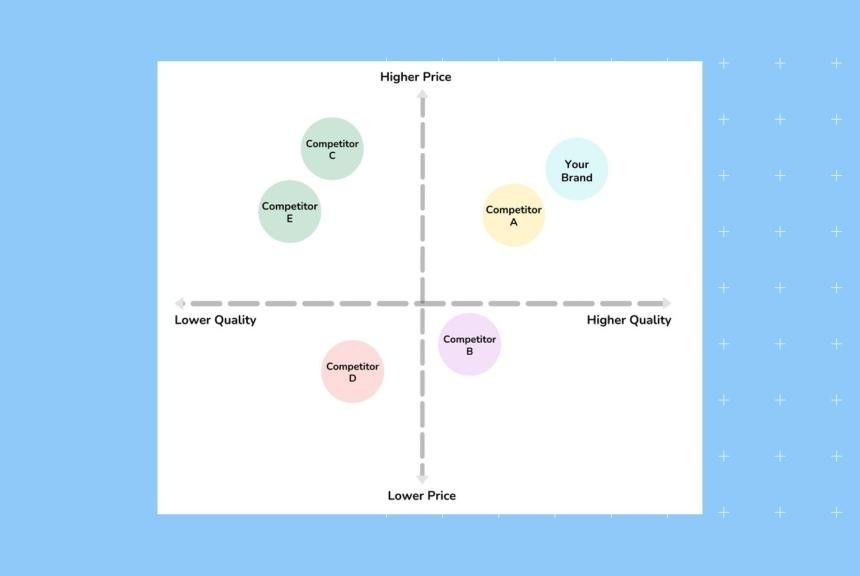
Understanding the Market Landscape
Strategic thinking requires businesses to look beyond their internal operations and analyze the external environment. This includes competitors, customer behavior, industry trends, and economic conditions.
By understanding these factors, companies can position themselves more effectively in the market.
For instance, a business that identifies an underserved customer segment can tailor its offerings to meet specific needs. This creates differentiation and reduces direct competition.
Building a Clear Value Proposition
A strong strategy clarifies what makes a business unique. Instead of trying to appeal to everyone, strategically focused companies define their value proposition and communicate it consistently.
This clarity attracts the right customers and improves conversion rates.
Driving Innovation and Growth
Encouraging Forward Thinking
Innovation is often the result of strategic thinking. When businesses take time to analyze trends and explore possibilities, they uncover new ideas and opportunities.
Strategic thinking encourages questions such as:
- What problems are emerging in our industry?
- How can we solve them differently?
- What new markets can we explore?
These questions lead to innovation that is both relevant and practical.
Supporting Sustainable Growth
Growth without a clear strategy often creates more problems than progress. While expansion may look like success on the surface, it can quickly lead to operational strain, financial pressure, and poor decision-making if it is not properly guided. Businesses may scale too quickly, enter unfamiliar markets without adequate research, or invest in initiatives that fail to deliver meaningful returns.
Strategic thinking plays a critical role in ensuring that growth is both sustainable and controlled. Instead of reacting to opportunities impulsively, organizations take a structured approach to expansion. This means evaluating risks, understanding market conditions, and aligning every major decision with long-term goals.
Strategic thinking ensures that growth is:
- Planned: Businesses define clear milestones, allocate resources efficiently, and follow a structured path rather than expanding reactively.
- Measured: Performance is continuously tracked using relevant metrics, allowing leaders to assess progress and make informed adjustments when needed.
- Aligned with long-term objectives: Every growth decision supports the broader vision of the organization, ensuring consistency and preventing distractions from core goals.
By applying this approach, businesses can reduce uncertainty, avoid costly mistakes, and build a more stable foundation. This not only minimizes risk but also increases the likelihood of achieving consistent, long-term success in an increasingly competitive environment.
Improving Operational Efficiency
Streamlining Processes
Strategic thinking plays a key role in improving operational efficiency by encouraging businesses to critically evaluate how their internal processes function. Instead of treating workflows as fixed or unchangeable, organizations begin to question existing systems, identify bottlenecks, and explore ways to optimize performance. This shift in mindset allows teams to move from reactive execution to intentional improvement.
By analyzing each step in a process, businesses can uncover inefficiencies such as delays, unnecessary approvals, or outdated methods. Addressing these gaps leads to more streamlined operations and better use of resources. Over time, even small adjustments can compound into significant gains.
This approach can lead to:
- Reduced operational costs by eliminating waste and optimizing resource allocation
- Faster execution through simplified workflows and fewer bottlenecks
- Improved productivity as teams spend less time on inefficient tasks
Small improvements in efficiency, when applied consistently, can have a substantial impact on overall business performance and scalability.
Eliminating Redundancy
Another major benefit of strategic thinking is its ability to reduce duplication of effort. In many organizations, different teams unknowingly work on similar tasks due to a lack of coordination or visibility. This not only wastes time but also leads to inconsistent outcomes.
“Strategic thinking promotes clarity and communication, reducing redundancy and ensuring that efforts are directed where they are most needed,” says David Lee, Managing Director at Functional Skills.
By improving communication and aligning teams around shared goals, businesses can ensure that resources are used efficiently and that every effort contributes to meaningful progress.
Strengthening Risk Management
Anticipating Challenges
Every business operates in an environment filled with uncertainty, but what separates resilient organizations from vulnerable ones is preparation. Strategic thinking encourages leaders to actively identify potential risks before they escalate into serious problems. Instead of reacting under pressure, businesses can develop structured plans to manage disruptions effectively.
“Every business faces risks, but not every business prepares for them. Strategic thinking involves identifying potential threats and developing plans to address them,” says Dr. Amanda Baes, Owner of Healing Hands Chiropractic.
These risks may include:
- Market shifts, such as changes in customer demand or emerging competitors
- Regulatory changes that can impact compliance and operational processes
- Supply chain disruptions, which may delay production or delivery timelines
- Technological advancements that can quickly make existing systems outdated
By anticipating these challenges early, businesses can respond faster, reduce potential damage, and maintain stability even during uncertain conditions.
Building Resilience
Strategically driven organizations are naturally more resilient because they prepare for change rather than avoid it. They invest in contingency planning, diversify their operations, and maintain a clear understanding of their core priorities. This proactive approach ensures that even when disruptions occur, the business can adapt without losing direction.
Resilience also builds confidence across teams and leadership, as decisions are guided by preparation rather than panic. Over time, this ability to navigate uncertainty becomes a competitive advantage.
Ultimately, strategic thinking enables businesses to stay agile, protect their operations, and continue progressing even in the face of unexpected challenges.
Enhancing Customer Understanding
Focusing on Customer Needs
Strategic thinking encourages businesses to shift from a product-first mindset to a customer-first approach. Instead of offering one-size-fits-all solutions, organizations invest time in understanding what their customers truly need, expect, and value. This involves analyzing customer behavior, gathering feedback, and identifying patterns that reveal preferences and pain points.
By gaining deeper insights, businesses can tailor their offerings more effectively. This not only improves relevance but also ensures that products and services solve real problems rather than assumed ones. As a result, companies can build stronger connections with their audience and stand out in competitive markets.
This approach leads to:
- More relevant products and services that directly address customer needs
- Higher customer satisfaction through personalized and thoughtful solutions
- Stronger brand loyalty as customers feel understood and valued
Improving Customer Experience
Strategic thinking also enhances the overall customer experience by ensuring consistency across all touchpoints. When every interaction is aligned with customer expectations, from marketing messages to after-sales support, the experience becomes more seamless and intentional.
“When strategy aligns with customer expectations, the overall experience improves. From marketing to support, every touchpoint becomes more intentional,” says Raphael Yu, CMO at EaseSourcing.
This level of consistency builds trust over time. Customers are more likely to return to brands that deliver reliable and positive experiences, ultimately leading to stronger relationships and increased lifetime value.
Encouraging Long-Term Vision
Moving Beyond Short-Term Gains
Short-term wins are important for maintaining momentum and meeting immediate business needs, but they should never come at the expense of long-term success. Many organizations fall into the trap of prioritizing quick results, often making decisions that deliver temporary gains while creating challenges down the line. Strategic thinking helps businesses strike the right balance between achieving immediate outcomes and building a sustainable future.
For example, reducing costs may improve short-term profitability, but it can negatively impact product quality, employee morale, or customer satisfaction over time. A strategic approach evaluates both the short-term benefits and long-term consequences before making decisions. This ensures that actions taken today do not undermine future growth or stability.
Creating a Roadmap for Growth
A well-defined strategy acts as a roadmap, providing clarity and direction for the entire organization. It outlines where the business is headed, what goals it aims to achieve, and the steps required to get there. Without this guidance, teams may operate in silos or make decisions that are misaligned with the company’s vision.
This roadmap:
- Guides decision-making by providing a clear framework for evaluating choices
- Aligns teams so that everyone works toward shared objectives
- Tracks progress through measurable goals and performance indicators
With a strong strategic roadmap in place, businesses can stay focused, make consistent progress, and avoid drifting away from their long-term vision.
Building a Culture of Strategic Thinking
Creating a culture of strategic thinking requires more than occasional planning sessions. It involves embedding a forward-thinking mindset into everyday decisions, behaviors, and processes across the organization. When strategy becomes part of how people think and act, businesses are better positioned to adapt, grow, and stay competitive.
Leadership Influence
Strategic thinking starts at the top. Leaders play a critical role in shaping how decisions are made and how challenges are approached. By consistently demonstrating thoughtful, long-term decision-making, they set clear expectations for the rest of the organization.
“When leaders prioritize strategy, it becomes part of the organizational culture.” says Jimmy Bowers, Marketing Manager at Tampa Coin Buyers.
When leadership emphasizes strategy, it signals its importance, encouraging teams to move beyond reactive thinking and focus on long-term impact.
Empowering Teams
Strategic thinking should not be limited to leadership alone. Employees at all levels often have valuable, ground-level insights that can improve decision-making. Encouraging participation creates a more inclusive and effective strategy process.
Encouraging teams to think strategically leads to:
- Better problem-solving as teams consider broader implications
- Increased engagement when employees feel their input matters
- More innovative ideas driven by diverse perspectives
Continuous Learning
Strategic thinking thrives in environments that prioritize learning and adaptability. As markets evolve, businesses must continuously refine their strategies to stay relevant.
This includes:
- Analyzing performance data to identify trends and opportunities
- Staying updated on industry trends to anticipate changes
- Encouraging experimentation to test new ideas and approaches
By fostering a culture that values strategy, collaboration, and learning, organizations can build a strong foundation for long-term success.
Common Barriers to Strategic Thinking
Despite its importance, many organizations struggle to consistently apply strategic thinking in their decision-making. While leaders may recognize its value, everyday challenges often prevent teams from focusing on long-term direction and meaningful planning.
Lack of Time
Daily operations tend to dominate schedules, with teams constantly responding to urgent tasks, client demands, and internal issues. This reactive environment leaves little space for stepping back, analyzing trends, or planning for the future, making strategic thinking an afterthought rather than a priority.
Limited Data
“Effective strategy depends on accurate, timely, and relevant data. When organizations lack proper data collection systems or rely on outdated information, decisions are often based on guesswork. This increases uncertainty and reduces confidence in long-term planning,” says Logan Peranavan, CEO of TapestoDigital UK.
Resistance to Change
Change can be uncomfortable, especially when existing processes feel familiar and safe. Employees and even leadership may hesitate to adopt new approaches, fearing disruption or failure. This mindset can block innovation and slow down strategic progress.
Short-Term Pressure
Organizations are often driven by immediate financial goals and performance targets. While these are important, an excessive focus on short-term results can overshadow long-term objectives and limit sustainable growth.
Recognizing these barriers is the first step toward overcoming them and building a more forward-thinking organization.
Practical Steps to Develop Strategic Thinking
To effectively integrate strategic thinking into your business, it’s important to move beyond theory and adopt consistent, actionable practices. The following steps can help create a structured approach that aligns daily operations with long-term goals.
1. Define Clear Objectives
Start by establishing specific, measurable goals that connect directly to your long-term vision. Clear objectives provide direction, help teams stay aligned, and make it easier to evaluate progress over time.
2. Analyze Your Environment
Take time to assess both internal and external factors. Identify your organization’s strengths and weaknesses, while also examining market trends, competition, and emerging opportunities. This broader perspective allows for more informed and proactive decision-making.
3. Prioritize Initiatives
Not every idea or opportunity deserves equal attention. Focus on initiatives that offer the highest value and align most closely with your strategic objectives. This ensures resources are used efficiently and impact is maximized.
4. Monitor and Adjust
“Strategic thinking is an ongoing process. Regularly track performance using key metrics and be prepared to adjust your approach as conditions change. Flexibility is essential for long-term success,” says Sharon Amos, Director at Air Ambulance 1.
5. Encourage Collaboration
Involve cross-functional teams in the strategic process. Diverse perspectives often lead to better insights, stronger ideas, and more practical, well-rounded strategies.
Conclusion
Strategic thinking is not a one-time activity. It is an ongoing process that shapes how businesses operate, compete, and grow.
By improving decision-making, optimizing resource allocation, strengthening market positioning, and enhancing customer understanding, strategic thinking leads to better business outcomes across the board.
In a competitive and constantly changing environment, businesses that think strategically are better prepared to navigate challenges and seize opportunities. They move with purpose, act with clarity, and build systems that support long-term success.
Ultimately, strategic thinking transforms businesses from reactive entities into proactive organizations capable of shaping their own future.